Titanium vs Bronze Watches
Last updated
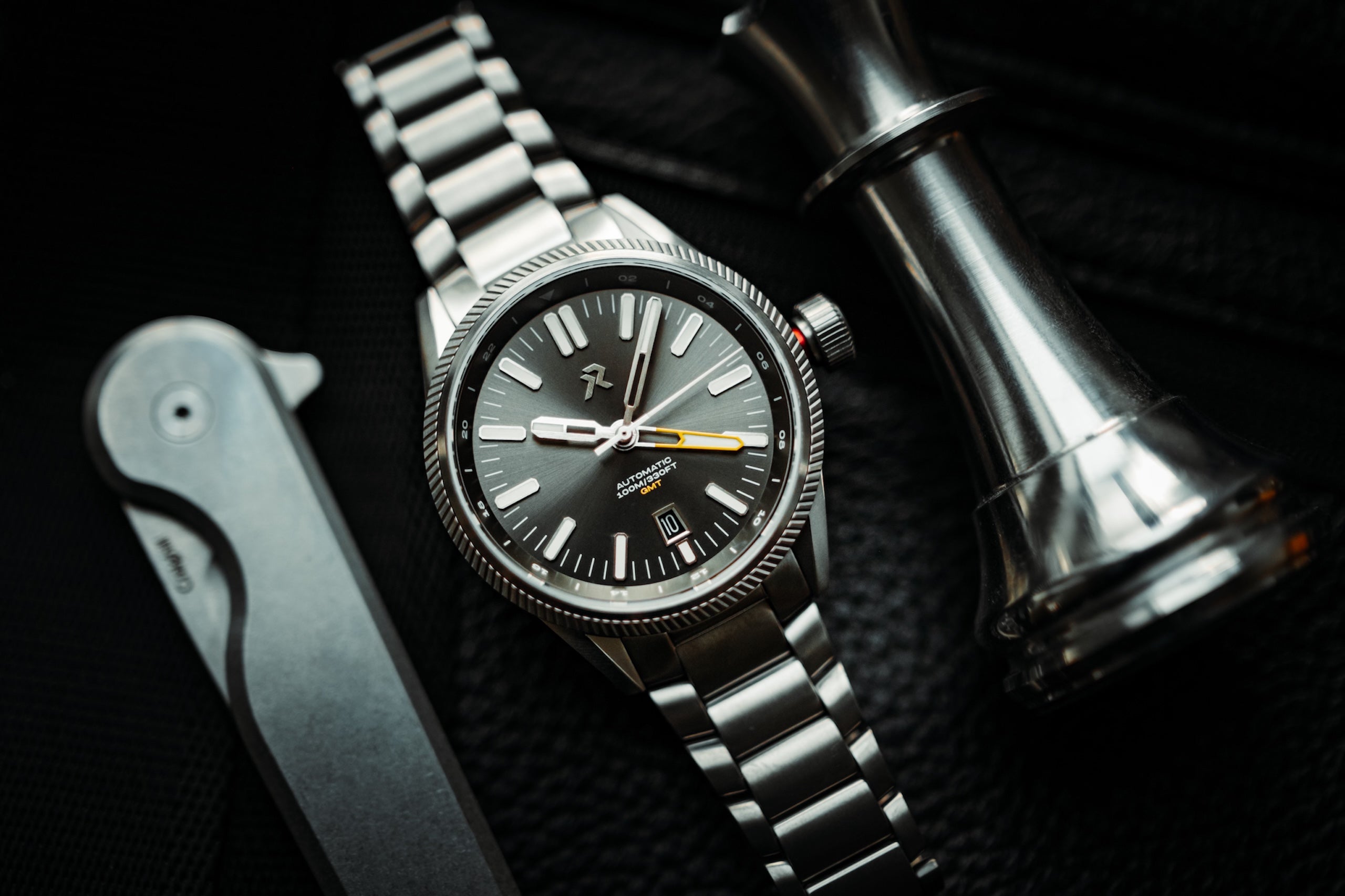
Bronze and titanium come at watchmaking from opposite directions. Bronze is about character and change; titanium is about lightness and staying exactly as it left the factory. Both guides are maintained to one schema, so this comparison can be measured rather than asserted.
The short version
Bronze develops a patina over time, a living finish that ages with wear, and it is heavier and warm-toned. Titanium does the opposite: it is light, stays stable, never tarnishes, and is hypoallergenic. Bronze rewards owners who want a watch with a story written into the metal; titanium suits those who want low maintenance and all-day comfort.
Two things the reputations get wrong. Bronze is not really the cheaper metal, and bronze is far more specialised than titanium in what kind of watch it turns up on. Both are below.
How the two materials behave
Properties of the materials rather than facts about any catalog.
| Property | Titanium | Bronze |
|---|---|---|
| Patina | None, stays as-new | Develops over time, unique to each wearer |
| Maintenance | None needed | Can be left to age or polished back |
| Skin | Hypoallergenic, no marks | Can leave temporary skin discoloration |
| Corrosion | Excellent, inert | Resists saltwater but oxidizes by design |
| Tone | Cool grey | Warm gold-brown |
How they compare in the catalogs
| Titanium | Bronze | |
|---|---|---|
| References | 1,600 | 335 |
| Brands making them | 319 | 137 |
| Median case weight | 82 g (529 of 1,600) | 108 g (37 of 335) |
| Median price | $1,435 | $925 |
| Largest category | Dress 26% | Diver 59% |
Bronze is the heavier metal by roughly 32 percent at the median, which is real but smaller than "heavy, dense" suggests. Case weight is the worst-published specification in watchmaking and the bronze sample is especially thin (37 of 335 references), so treat that figure as directional.
Bronze is not the cheaper metal
Across the catalogs bronze looks like roughly half the price of titanium, a median of $925 against $1,435, or 0.64 times. That reads as a cheap material. It is mostly a statement about who uses it.
Among the 15 brands that price at least 3 references in each material, the same maker's bronze runs about 0.89 times its own titanium, and across the 8 model families offered in both it is 1.07 times. So a maker charges slightly less for bronze than for titanium, not half.
This is the best-evidenced comparison in our cross-material study, with more paired brands behind it than any other pairing of the five materials we track. The full method is in The Watch Case Material Report (2026).
Bronze looks cheap because bronze is a microbrand material: 137 brands share 335 references, and its most common brand origin is China. Titanium spans the same ground and keeps going, from sub-$200 quartz to haute horlogerie.
Bronze is a diver's material, titanium is a generalist
59 percent of bronze references are divers, which makes bronze the most single-purpose of the five materials in our catalogs. The association is old and mostly marine: bronze patinates in saltwater and has a long history in ship fittings, and the watch market has followed that history closely.
Titanium is the opposite. No category accounts for more than 26 percent of it, so it turns up as a dress watch, a pilot watch, a chronograph and a diver in roughly equal measure. If you want something other than a dive watch, that difference matters more than any property in the table above.
Patina: feature or chore
Patina is the reason most bronze buyers choose bronze, and the reason everyone else avoids it. It is oxidation rather than damage, so you can encourage it or polish it away. Titanium does none of that, and for some buyers that stability is exactly the appeal.
Comfort and skin
Titanium is lighter on the wrist and will not leave the green or grey skin marks that some bronze alloys can during sweaty wear. For sensitive skin and hot climates, titanium is the safer pick, and it is one of the few case metals that is genuinely nickel-free throughout.
Set on bronze instead? The Wristwatch Field Guide catalogs 335 current-production bronze watches from 137 brands, verified the same way this guide does titanium, alongside ceramic, carbon, tantalum and brass.
 Grand SeikoEvolution 9 Spring Drive Diver 200m "Ushio" (SLGA023)
 TudorPelagos 39
 RZEEndeavour
 HamiltonKhaki Navy BeLOWZERO Auto Titanium (grey)
 SeikoProspex Shogun Titanium (SPB191)
 PaneraiSubmersible QuarantaQuattro Luna Rossa Ti-Ceramitech
Frequently asked questions
Is bronze cheaper than titanium?
Far less than it looks. Across the catalogs bronze has a median of $925 against $1,435 for titanium, about 0.64 times, but among the 15 brands that sell both at volume the same maker's bronze runs about 0.89 times its own titanium. Bronze looks cheap mainly because it is a microbrand material: 137 brands share 335 references.
Is bronze heavier than titanium?
Yes, by roughly 32 percent at the median: 82 g for titanium against 108 g for bronze. Case weight is poorly published across the industry and the bronze sample is small (37 of 335 references), so read that as directional rather than exact.
What kind of watches is bronze used for?
Dive watches, overwhelmingly. 59 percent of bronze references are divers, which makes bronze the most single-purpose of the five case materials we track. Bronze patinates in saltwater and has a long association with marine hardware, and the watch market has followed it closely. Titanium is the opposite, spread fairly evenly across every category.
Titanium or bronze for a watch?
Bronze develops a patina and changes over time, and can leave marks on skin. Titanium is light, stable, hypoallergenic, and never tarnishes. They suit opposite tastes rather than one being better.