Grade 2 vs Grade 5 Titanium Watches
Last updated
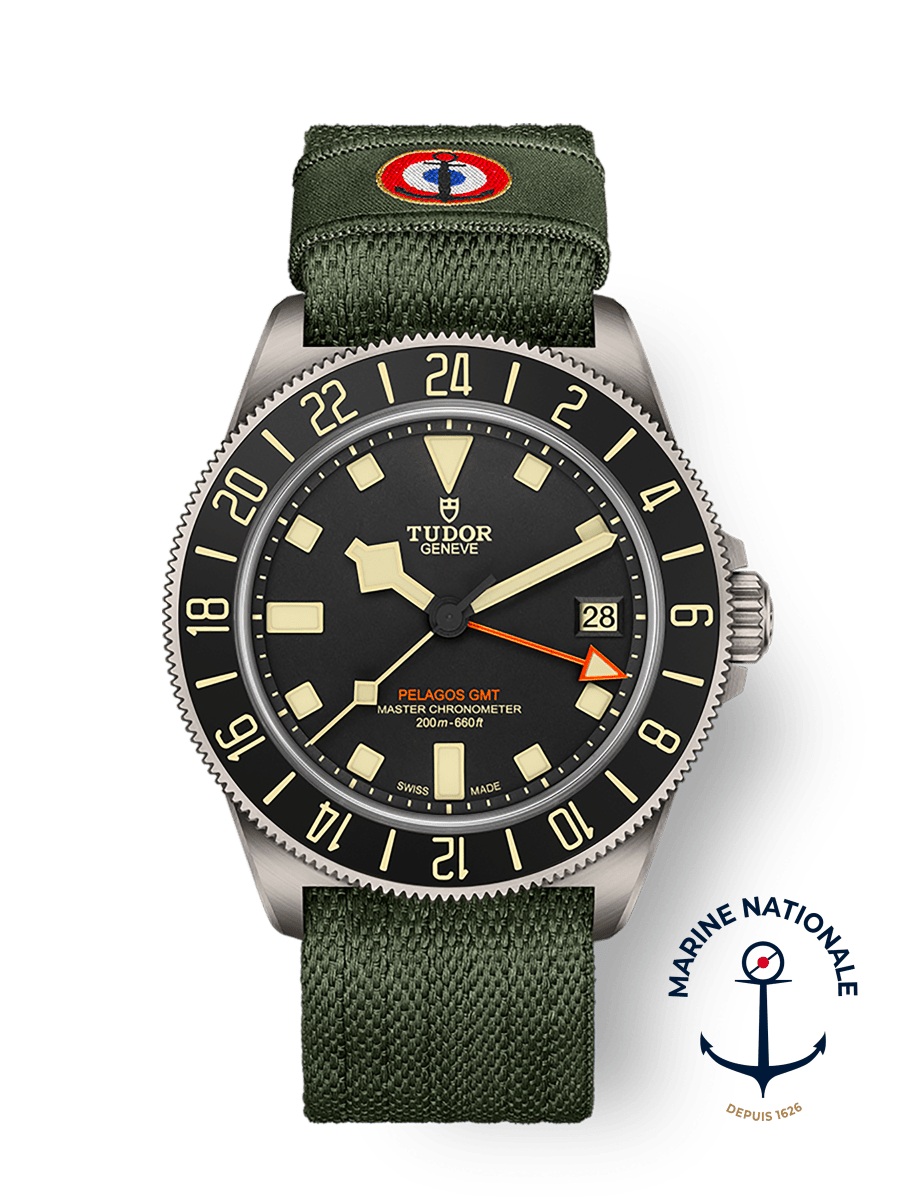
These are the two titanium grades you will meet most often. Grade 2 is commercially pure titanium; Grade 5 is Ti-6Al-4V, an aluminium and vanadium alloy. Here is how they actually differ once they are a watch on your wrist.
The short version
Grade 5 is significantly harder and stronger, so it resists scratches and holds a crisp finish better. Grade 2 is softer and easier to machine and refinish, and is prized for its seawater corrosion resistance. The two weigh almost exactly the same, so weight is rarely the deciding factor between them.
| Property | Grade 2 | Grade 5 |
|---|---|---|
| Composition | Commercially pure titanium (about 99% Ti) | Ti-6Al-4V, alloyed with aluminium and vanadium |
| Surface hardness | Softer, marks more easily | Harder, more scratch resistant |
| Strength | Lower tensile strength | Much higher, aerospace grade |
| Weight | About 4.5 g/cm3 | Marginally less dense, effectively the same |
| Finishing | Easy to machine and refinish | Harder to work, holds a sharp finish |
| Saltwater | Outstanding, favored for dive cases | Excellent |
| Skin and nickel | Nickel-free, hypoallergenic | Nickel-free, hypoallergenic |
Hardness is the real difference
The aluminium and vanadium in Grade 5 make it markedly harder than commercially pure Grade 2, so it shrugs off the light marks that softer titanium can pick up. If maximum scratch resistance without a coating matters to you, Grade 5 has the edge. A blasted or brushed finish also hides wear far better than mirror polish on either grade.
How they compare in the catalog
| In the catalog | Grade 2 | Grade 5 |
|---|---|---|
| References | 201 (13%) | 426 (27%) |
| Brands using it | 76 | 163 |
| Median price | $753.50 | $6,305 |
| Median case size | 40.5 mm | 41 mm |
| References with a published weight | 104 | 121 |
The price gap is the figure that surprises people, and it is not the alloy. Grade 5 costs more to machine than Grade 2, but nothing like 8 times. What the gap really measures is who uses each: Grade 2 is the working microbrand grade, and Grade 5 turns up across 163 brands including most of the sport-luxury names. Comparing the two by median price compares those two populations, not the metal.
Where each is used
Grade 2 is a favorite for dive watches, where its corrosion resistance and easy finishing count, and for many Japanese and German tool watches. Grade 5 dominates sport-luxury pieces, integrated bracelets, and anything chasing hardness or strength; Rolex RLX titanium, for example, is Grade 5. Both are fully nickel-free and hypoallergenic.
Worth knowing before you go looking for either: 726 references in this guide, 45 percent, publish no standard grade at all, so for a large part of the market this comparison cannot be applied. We measured that in The Titanium Grade Transparency Report (2026).
Which should you choose
- Choose Grade 5 for the best scratch resistance and a crisp finish without a coating.
- Choose Grade 2 if you value easy refinishing and top-tier seawater corrosion resistance.
- Do not choose on weight: the two are practically identical.
 TudorPelagos 39
 RZEResolute Pro
 FormexField Automatic (Titanium)
 HamiltonKhaki Field Titanium Auto 38
 OmegaSeamaster Diver 300M Titanium-Tantalum (LE)
 TAG HeuerAquaracer Professional 200 Solargraph (Titanium)
 TudorPelagos FXD GMT
 StraumJan Mayen Titanium
 FormexAria Manufacture Chronometer (Titanium)
 PaneraiLuminor Marina Titanio 44mm
 OmegaSeamaster Planet Ocean Ultra Deep 6000M (Titanium)
 IWCPilot's Watch Performance Chronograph 41 AMG (Titanium)
Frequently asked questions
Is Grade 5 titanium better than Grade 2?
Neither is strictly better; they trade off. Grade 5 (Ti-6Al-4V) is the harder and stronger alloy and resists scratches better, while Grade 2 (commercially pure titanium) is easier to machine and refinish and is prized for its seawater corrosion resistance, which is why many dive watches use it.
Is Grade 5 titanium lighter than Grade 2?
Barely. Both are about 4.5 grams per cubic centimetre, with Grade 5 marginally less dense. In practice the two weigh the same, so weight is not how you choose between them.
Which titanium grade is more common in watches?
In this guide Grade 5 is the most catalogued titanium grade (426 watches), ahead of Grade 2 (201). Grade 5 dominates sport-luxury and integrated-bracelet models, while Grade 2 is common on dive watches and many Japanese and German tool watches.