Titanium Watch Surface Treatments
Last updated
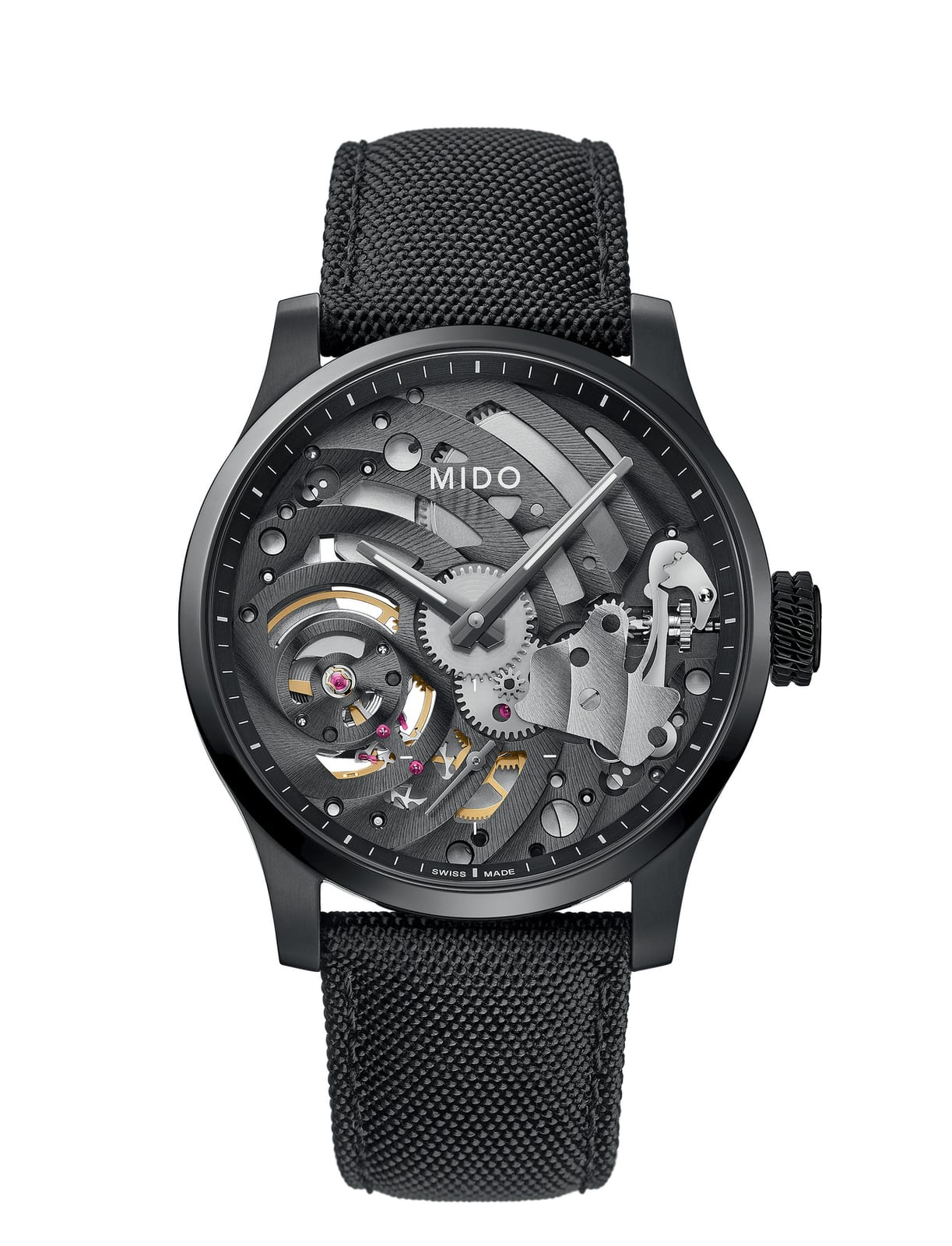
Scratch resistance comes more from what was done to the surface than from the grade underneath. The catch is that most titanium watches have had nothing done to them at all: 1,090 of the 1,600 references here, 68 percent, are bare metal. This is what the treatments actually do, which are coatings and which are not, and how common each one is.
Coating or hardening, which is the distinction that matters
A coating adds a separate layer on top of the titanium. Hardening changes the surface of the metal itself. They fail differently, and that is the practical difference. A coating can chip or wear through at an edge, and once it does the case cannot simply be refinished, because refinishing would take the coating off. A hardened surface has nothing to lose: it marks less, and when it does mark it can usually be brushed back the way bare titanium can.
Colour is a third thing again, and it is easy to mistake for durability. A blue case might be blue because of a coloured coating, or because the oxide layer was grown by heat or current, and those two age nothing alike.
How common each treatment is
Every reference in the guide is sorted into one of these by its recorded treatment, using the same rule the catalog's finish filter uses, so these are the same buckets you can filter the catalog by.
| Treatment | References | Is it a coating? | Median price | Brands |
|---|---|---|---|---|
| Natural finish | 1,090 (68%) | No | $1,695 | 287 |
| Surface hardening | 269 (17%) | No, the surface of the titanium is changed | $760 | 27 |
| DLC | 161 (10%) | Yes | $2,418 | 58 |
| PVD / IP | 49 (3%) | Yes | $1,700 | 31 |
| Anodized / heat-treated | 9 (1%) | No | $1,758.50 | 6 |
| Timascus / Damascus | 8 (1%) | No | $10,595 | 6 |
| Ceramized titanium | 7 (0%) | Neither, the titanium itself becomes ceramic | $17,900 | 3 |
| Coloured DLC | 7 (0%) | Yes | $1,758.50 | 6 |
Three things worth taking from that table. Bare titanium is 68 percent of the market, so anything treated is the exception rather than the norm. Surface hardening, the most durable option, has a median of $760 against $1,695 for untreated titanium, so the toughest titanium is not the expensive titanium. And hardening is concentrated in two companies: Citizen and Seiko account for 72 percent of it, which makes it largely a Japanese volume-production story rather than a luxury feature.
Surface hardening
The metal itself is hardened. Citizen Duratect, Seiko and Grand Seiko super-hard coatings, Sinn Tegiment and comparable microbrand processes. Nothing is added that can chip off, and a hardened case is the most scratch-resistant titanium you can buy.
269 of 1,600 references (17 percent) across 27 brands, median $760. Most of it is Citizen (128), Seiko (67), Casio (13).


DLC
Diamond-like carbon, applied on top. Very hard and usually near-black. It resists marks well across a flat surface and can still wear through at a sharp edge or lug, and a worn coating is harder to put right than bare metal.
161 of 1,600 references (10 percent) across 58 brands, median $2,418.


PVD / IP
A thin deposited layer, applied on top. Chosen mostly for colour. Thinner and generally less hard than DLC, so treat it as a finish decision rather than a durability one.
49 of 1,600 references (3 percent) across 31 brands, median $1,700.


The rare ones
Each of these is under 2 percent of the catalog. Real, and you will not meet them often.
- Anodized / heat-treated (9, 6 brands, median $1,758.50). Electrical or thermal oxidation shifts the colour without adding material. It is a colour technique, not a hardness one.
- Timascus / Damascus (8, 6 brands, median $10,595). Two titanium alloys forge-welded and etched, so the pattern runs through the metal. Bought for looks, and priced accordingly.
- Ceramized titanium (7, 3 brands, median $17,900). Panerai Ti-Ceramitech and IWC Ceratanium. Far harder than titanium and it cannot flake off the way a coating can, because there is no separate layer.
- Coloured DLC (7, 6 brands, median $1,758.50). Same behaviour as DLC, in blue, green or amber. Rare, and almost always a limited run.
Natural finish, which is most of the market
Nothing applied or hardened. Bare titanium, whatever the brushing, blasting or polishing on top of it. This is most of the market. 1,090 of 1,600 references (68 percent) across 287 brands, median $1,695. Untreated titanium is not a compromise so much as the default, and it is what most of the discussion about titanium scratching is actually about.
Brushed, blasted, and polished
Finishing is not treatment, and it belongs in a different mental column. It changes how marks show rather than how easily they happen, and every one of these can sit on top of any row in the table above. Brushed titanium hides small marks well because the grain camouflages them. Bead-blasted looks properly tool-like and can pick up shiny scuffs where it rubs a desk or a cuff. Polished shows fine swirls sooner than either, which is why it turns up on dress pieces that live easier lives.
Browse by treatment
Frequently asked questions
Why are titanium watches surface treated?
Untreated titanium marks relatively easily, so makers either harden the surface of the metal or add a hard coating on top of it. Treatment is the exception rather than the rule: 68 percent of the 1594 titanium references in this guide are bare metal, with no hardening or coating recorded.
Does DLC coating wear off a titanium watch?
DLC (diamond-like carbon) is very hard but sits on top of the metal, so on high-contact edges such as lugs and clasps it can eventually wear through after years of hard use, and a worn coating is difficult to put right because refinishing would remove more of it. Surface hardening changes the metal itself, so there is no layer to lose.
What is the difference between a coating and hardened titanium?
A coating (DLC, PVD, IP) adds a separate layer on top of the case. Hardening (Citizen Duratect, Seiko and Grand Seiko super-hard coatings, Sinn Tegiment) changes the surface of the titanium itself. They fail differently: a coating can chip or wear through at an edge and cannot be refinished, while a hardened surface has nothing to lose and can usually be brushed back the way bare titanium can.
Which titanium watches are the most scratch resistant?
Surface-hardened cases, which are 17 percent of this guide (269 references) at a median of $760. Citizen and Seiko account for most of them, so hardened titanium is more often an affordable Japanese watch than a luxury one. Ceramized titanium (Panerai Ti-Ceramitech, IWC Ceratanium) is harder still and much rarer.
Is hardened titanium more expensive?
No, and usually the reverse. Surface-hardened references in this guide run a median of $760 against $1,695 for untreated titanium, because hardening is concentrated in high-volume Japanese production rather than in luxury pieces.
Does bead blasting make titanium more scratch resistant?
No. Bead blasting, brushing and polishing are finishes rather than treatments: they change how marks show, not how easily they happen. A blasted case is exactly as hard as the titanium underneath it, though the matte surface can pick up shiny scuffs where it rubs.