Titanium Watches and Nickel Allergy
Last updated
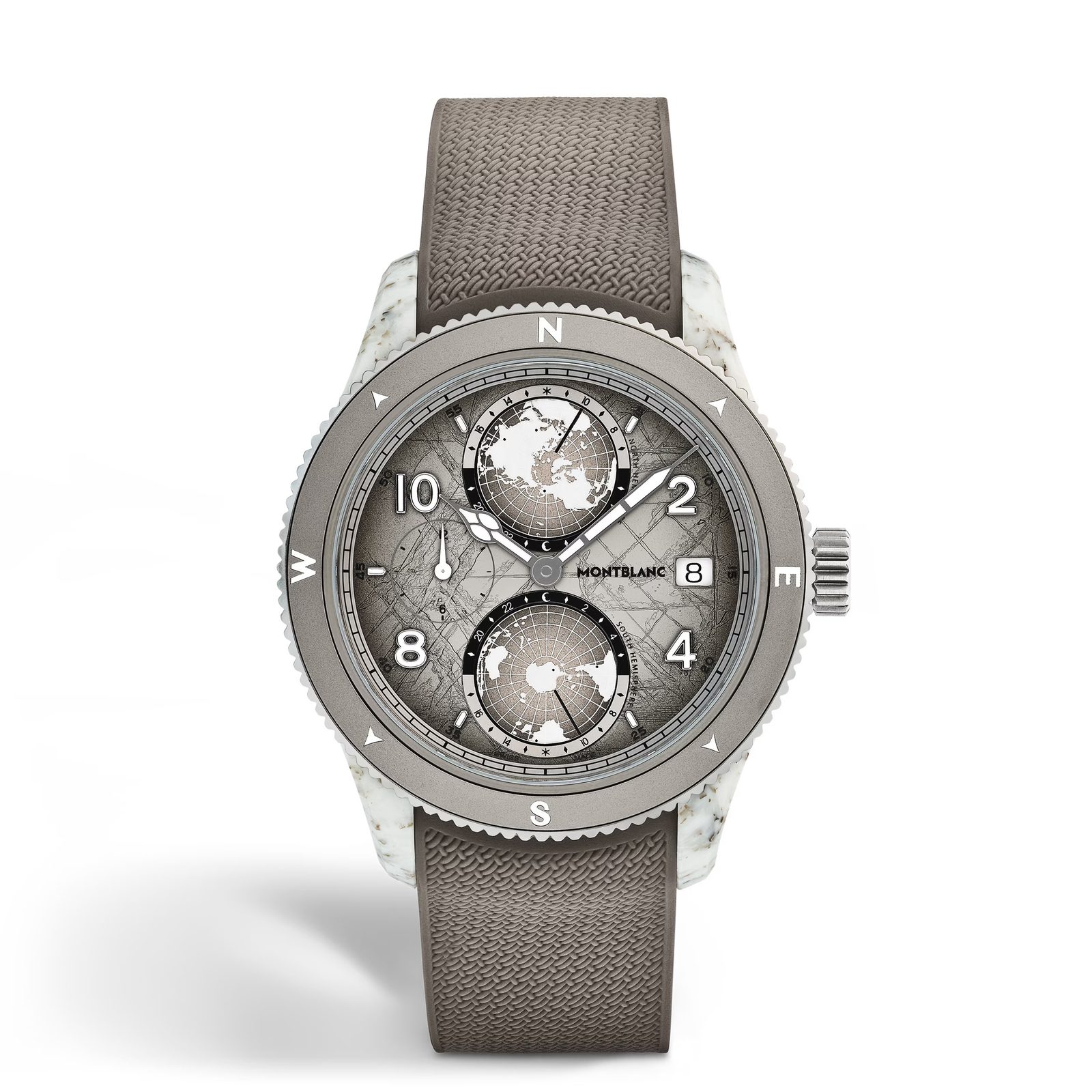
Titanium is often reached for by nickel-sensitive wearers. Here is what the material actually is, and which parts of a watch are worth checking before you buy.
This page is general material information and nothing on it is medical advice or an assurance that any watch will suit you. Nickel sensitivity varies a great deal from person to person, the guide records what makers publish rather than testing watches, and a maker can change a component without changing its listing. If you react to nickel, confirm every contact point with the brand, and take a clinical question to a clinician.
Why titanium is popular for sensitive skin
Titanium is widely used because it is corrosion resistant and biocompatible, which is why it also appears in medical implants. Stainless steel usually contains nickel and titanium does not, which is the reason nickel-sensitive wearers tend to look at titanium first. That is a statement about the metal rather than a prediction about how any particular person will react to a particular watch.
Watch parts worth checking
A watch is made of many parts, and not all of them are always the same metal. A titanium case can still hide a steel caseback, clasp, or buckle. Ranked by how much they touch your skin:
| Contact point | Usual material | Chance it is steel | What to check |
|---|---|---|---|
| Caseback | Titanium, steel, ceramic, or sapphire | Medium | The most common place steel sneaks back in |
| Bracelet and clasp | Titanium or steel | Medium to high | Largest skin-contact area; confirm both, not just the links |
| Case | Titanium on a titanium watch | Low | Confirm the case itself, not just the bezel, is titanium |
| Crown | Usually the case metal | Low to medium | Often titanium, but not guaranteed |
| Buckle (on straps) | Steel or titanium | Medium | The metal against your skin on a strap-mounted watch |
| Spring bars and screws | Often steel | Low | Small and brief contact, but present |
The parts that touch your skin most, the caseback and the clasp, are the ones to confirm if you are nickel sensitive.
What this guide records for you
Unlike a plain spec sheet, the guide tracks the fields a nickel-sensitive wearer actually needs:
The guide flags 348 entries where the maker states that no nickel-bearing steel touches the skin, and records each caseback material, the most common place a titanium watch reintroduces steel. So far 990 entries have a recorded non-steel caseback and 21 a steel one; the rest are unconfirmed and are shown as such rather than assumed either way.
The catalog fields that help
When you are checking a watch in this guide, these fields are the most useful for sensitivity:
- Titanium grade
- Caseback (display or solid)
- Bracelet or strap
- Surface treatment
- Nickel-free flag
- Reader reports, where available
The nickel-free flag records what the maker published about the parts that touch skin. It certifies nothing: no watch is tested here, screws, coatings and clasp hardware are often unstated, and a maker can change a component mid-production. Treat the flag as a shortlist and confirm the contact points with the maker.
Filter by what touches your skin
 Grand SeikoHeritage "Snowflake"
 CitizenBrycen Super Titanium Chronograph
 TudorPelagos FXD
 RZEEndeavour
 HamiltonKhaki Field Titanium Auto 42mm
 SeikoProspex LX Line SNR051
A rubber strap removes metal from the wrist entirely, which some nickel-sensitive wearers prefer.


Frequently asked questions
Are titanium watches safe for a nickel allergy?
Yes. Titanium is biocompatible and nickel free, which is why it is used in medical implants, and it is one of the safest watch metals for sensitive skin.
Do titanium watches contain any nickel?
The titanium case and bracelet do not. The only points worth checking are the clasp, buckle, or strap hardware, which on some watches are made of steel rather than titanium.