How to Read a Titanium Watch Spec
Last updated
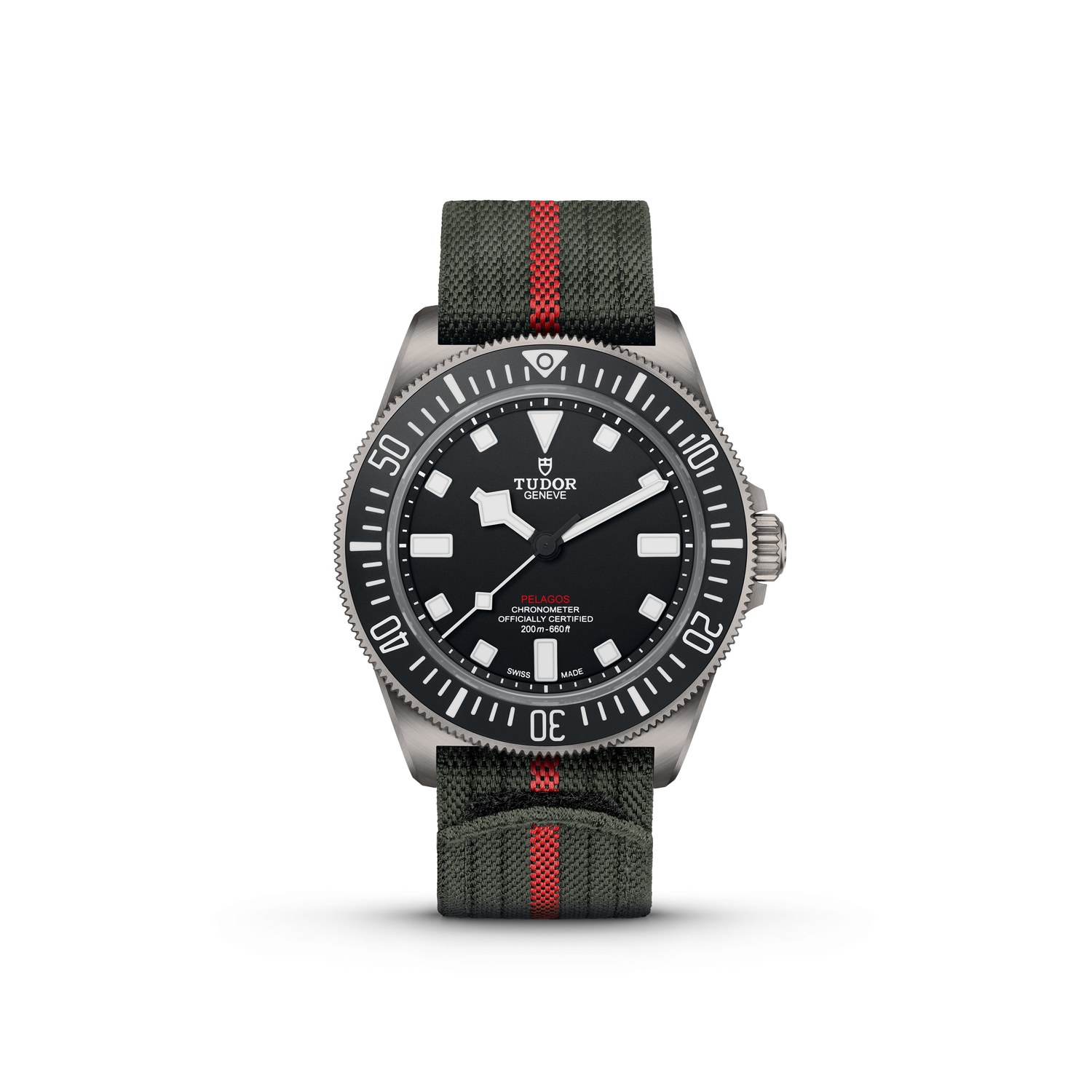
A titanium watch is more than its case material. These are the fields that actually shape how it wears, and how to weigh them.
What a spec sheet will actually tell you
Start here, because half of reading a spec sheet is knowing which lines are usually missing. We record every field below from the maker's own page, so how often we have a value is a fair proxy for how often a maker publishes one. Across the 1,600 references in this guide:
| Specification | Published by the maker | What to do when it is missing |
|---|---|---|
| Case diameter | 95% | Effectively always there. |
| Water resistance | 96% | Effectively always there. |
| Crystal | 92% | Assume mineral rather than sapphire if it is unstated at a low price. |
| Movement calibre | 85% | A named calibre is a good sign; "automatic movement" alone is not. |
| Case thickness | 68% | Ask, or find a hands-on review. It decides how the watch wears. |
| Power reserve | 59% | Look up the calibre; it is a property of the movement. |
| Lume | 52% | Usually means it is unremarkable rather than absent. |
| Alloy grade | 41% | The most common gap. See below. |
| Case weight | 33% | The rarest of all, and the one titanium is bought for. |
Two of those deserve attention because they are the specifications titanium is actually chosen for, and they are the two least likely to be printed. The alloy grade is missing about 59 percent of the time, which we took apart in The Titanium Grade Transparency Report (2026). Case weight is missing more often still.
The practical consequence: if a listing does give you a grade and a weight, that tells you something about the maker as well as the watch.
The fields that matter most
In rough order of how much they change the way a watch wears.
- Grade
- Surface treatment
- Weight
- Case size
- Thickness
- Lug-to-lug
- Caseback
- Bracelet or strap
- Clasp
- Water resistance
- Movement
- Availability
Weight matters
Titanium buyers often care about total wearing weight, not just the case material. A titanium case on a heavy steel bracelet can still wear heavy, so look at the listed weight where it is available.


Thickness matters
Titanium solves weight, not necessarily thickness. A light watch can still sit tall on the wrist, so check the thickness alongside the weight.


Bracelet and clasp matter
A titanium case on a leather or rubber strap wears differently than a full titanium bracelet. Clasps and hardware also matter for comfort and, for sensitive wearers, for what metal touches the skin.
Movement can matter less than comfort
For allergy-sensitive or comfort-driven buyers, material and fit often matter more than movement prestige. There is no wrong priority; just know which one is yours before you compare.
Spec checklist
Run through this before buying a titanium watch:
- Is the case titanium, and what grade?
- Is the caseback titanium, or steel?
- Is the bracelet titanium?
- Is the clasp titanium?
- Is the titanium treated or coated?
- Is the weight listed? (only about 33 percent are)
- Is the grade listed? (about 41 percent are)
- Is the model current production?
Frequently asked questions
What specs matter most on a titanium watch?
The titanium grade (Grade 2, Grade 5, or a named proprietary alloy), any surface treatment, the weight, the case dimensions, and whether the bracelet is also titanium, which is what makes a watch genuinely light on the wrist.
Why do two titanium watches of the same size weigh different amounts?
Usually the bracelet. The same watch on a titanium bracelet can weigh roughly twice what it does on a strap, so weights should always be compared in the same configuration.
Why do watch spec sheets leave out the case weight?
No maker states a reason, so this is a pattern rather than a motive, but it is the least-published specification we track: only about 33 percent of the 1,600 references in this guide come with one, against 95 percent for case diameter. It is also the number titanium is bought for, which makes the omission conspicuous.
How often do makers publish the titanium grade?
About 41 percent of the time. The other 59 percent publish no standard alloy designation at all, and most of those publish no proprietary name either, so for a majority of titanium watches the grade cannot be looked up. We measured this brand by brand in the Titanium Grade Transparency Report.
What does it mean if a listing does not name the movement calibre?
It is worth asking about. A named calibre is published for about 85 percent of references here, so "automatic movement" with no reference number is unusual and often indicates a generic or unbranded movement.